Serving all of Bergen County, New Jersey
Home Wiring Upgrades
Learn more about how home wire upgrades can benefit you
Home Generators
Learn more about the benefits of home generators
Home EV Chargers
Learn more about how to upgrade to a EV Home Charger
Service Guides
Learn more about wiring upgrades for your home

Understanding Recessed Lighting
Definition of Recessed Lighting
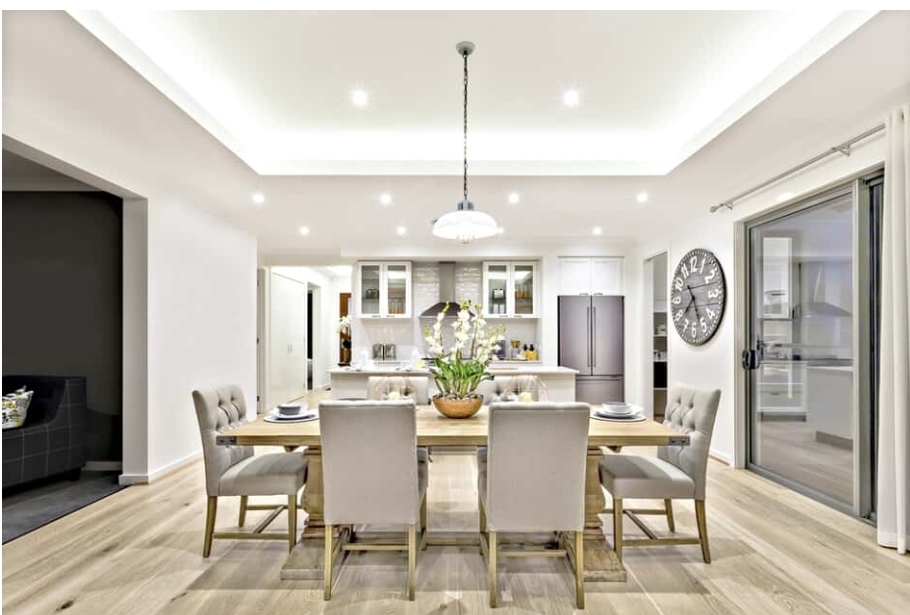
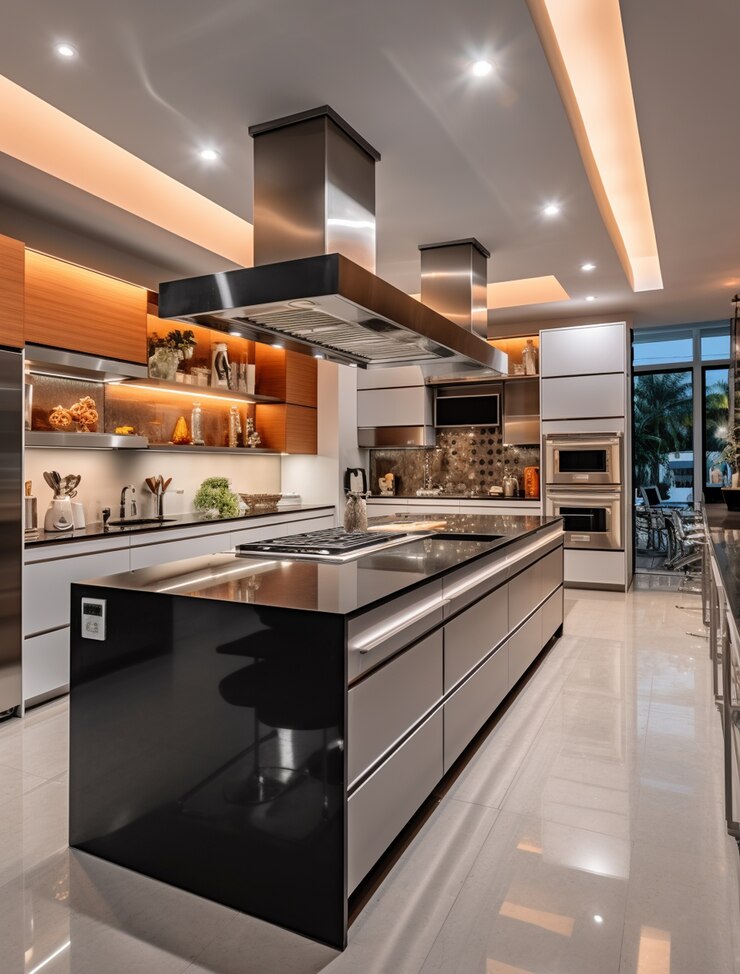
Recessed lighting, often referred to as can lighting or downlights, is a type of lighting fixture installed into a hollow opening in the ceiling. The light is typically positioned in such a way that it is flush with the ceiling surface, providing a sleek and unobtrusive appearance. These fixtures come in various sizes and styles, allowing homeowners to select options that suit their specific design preferences and lighting needs.
Advantages of Recessed Lighting
One of the primary advantages of recessed lighting is its minimalist aesthetic. By being installed in the ceiling, it creates a clean and modern look, eliminating the need for bulky fixtures that can overwhelm a room’s decor. Additionally, recessed lighting offers versatility; it can be directed to illuminate specific areas or objects, making it suitable for accent lighting as well as general illumination.
Another key benefit is the efficient use of space. Since recessed lights are embedded into the ceiling, they save valuable floor and wall space, making them ideal for smaller bedrooms or rooms with low ceilings. They can also enhance the overall ambiance of a room by providing layered lighting when combined with other lighting sources, such as table lamps or wall sconces.
Recessed lighting is energy efficient, especially when using LED bulbs, which consume less electricity and have a longer lifespan compared to traditional incandescent bulbs. This can lead to reduced energy costs over time, making recessed lighting a practical choice for homeowners who are conscious of their utility bills.
Common Applications in Bedroom Settings
In bedroom settings, recessed lighting can serve multiple functions. For general lighting, evenly spaced fixtures provide ample illumination for day-to-day activities such as reading, dressing, and moving around. By installing dimmable recessed lights, homeowners can easily adjust the brightness to create a cozy atmosphere during bedtime or set a relaxed mood for activities like watching television.
Recessed lighting can also be strategically placed to showcase architectural features or artwork, enhancing the room’s visual appeal. For example, installing lights around a bed or above nightstands can create a warm, inviting glow that adds to the overall comfort of the space. In walk-in closets or dressing areas, recessed lights can help illuminate clothing and accessories, making it easier to select outfits.
Moreover, recessed lighting can be integrated into smart home systems, allowing for remote control and automation for convenience and energy management. This feature makes it easy to adjust lighting levels without leaving the comfort of the bed, further enhancing the functionality of recessed fixtures in a bedroom.
Designing Your Bedroom Lighting Plan
When creating a recessed lighting plan for your bedroom, several essential considerations come into play, including room size, ceiling height, lighting needs, and fixture placement. Understanding these factors will help you optimize the use of recessed lighting to enhance both functionality and aesthetics in your space.
Room Size
The dimensions of your bedroom are a critical factor in determining the number and placement of recessed lights. For smaller bedrooms, fewer fixtures may be necessary to avoid overwhelming the space. A common guideline is to use one recessed light for every 4 to 6 square feet of ceiling area. In larger rooms, you may need to increase the number of fixtures to ensure even illumination. Additionally, consider the layout of furniture; recessed lighting should complement the arrangement by providing adequate lighting in areas where activities like reading or dressing occur.
Ceiling Height
Ceiling height significantly impacts the effectiveness of recessed lighting. For standard 8-foot ceilings, recessed lights should be spaced approximately 4 to 6 feet apart to provide optimal light distribution. If your ceilings are higher, such as 10 feet or more, you may need to increase the spacing or opt for adjustable fixtures that can direct light downward effectively. Additionally, higher ceilings benefit from fixtures with a higher lumen output to ensure that the light reaches the floor adequately. Dimming options can also enhance versatility, allowing you to adjust brightness according to the ceiling height and desired atmosphere.
Lighting Needs
Assessing the specific lighting needs of your bedroom will guide your recessed lighting design. Consider the primary functions of the room—do you require bright, focused light for tasks like reading or applying makeup, or do you prefer softer, ambient lighting for relaxation? A combination of general, task, and accent lighting can create a well-rounded setup. For general lighting, evenly spaced recessed fixtures can provide a base level of illumination. To support specific activities, adding adjustable fixtures or brighter LED bulbs in targeted areas can enhance functionality.
Fixture Placement
Strategic placement of recessed lights plays a vital role in achieving the desired ambiance. Centering fixtures over key areas, such as the bed and bedside tables, creates a focal point and ensures adequate light for activities. Consider placing lights in a grid pattern or in rows along the length of the room, taking care to avoid direct glare from angles where you typically read or watch TV. Additionally, consider installing fixtures with a beam angle that can be adjusted for more focused lighting in certain areas, such as artwork or architectural features you wish to highlight.
Layering with Other Lighting Sources
To maximize the benefits of recessed lighting, it’s important to layer it with other light sources. Combining recessed fixtures with table lamps, wall sconces, or floor lamps can create a dynamic lighting scheme that enhances the room’s aesthetic. This layered approach allows for flexibility in creating the right atmosphere for different activities, whether it’s a vibrant, well-lit space for morning routines or a soft, calming environment for winding down at night.
By thoughtfully considering room size, ceiling height, lighting needs, and fixture placement, you can design an effective recessed lighting plan that elevates the comfort and style of your bedroom.
Types of Recessed Lighting Fixtures
- Standard Recessed Housings
Standard recessed housings are the most widely used type. They are available in various sizes, commonly 4, 5, or 6 inches in diameter. These fixtures are well-suited for general room illumination in bedrooms, providing uniform lighting. The benefits include compatibility with different bulb types such as incandescent, halogen, and LED, allowing for flexibility in brightness and energy efficiency. - Adjustable Recessed Lighting
Adjustable recessed lighting fixtures come with a swivel socket, enabling the light to be directed towards specific areas or objects. This is ideal for accentuating artwork or architectural features in the bedroom. The ability to change the direction of the light adds versatility, making it easier to create different moods and focal points within the space. - Slim or Low-Profile Recessed Lights
Slim recessed lights, also known as canless or low-profile fixtures, are designed for shallow ceilings where traditional housings may not fit. These fixtures are beneficial in bedrooms with low ceilings, providing effective lighting without taking up physical space. Their sleek design harmonizes with modern decor, and many options are available with integrated LED technology for efficiency. - Wall Wash Recessed Fixtures
Wall wash recessed lighting is designed to evenly illuminate walls, enhancing the visual space and making bedrooms feel larger. This type of lighting is particularly beneficial for showcasing textured walls or decorative elements. It creates a warm ambiance and can be paired with color-changing bulbs to further personalize the atmosphere. - Shower or Wet Location Recessed Lights
For bedrooms that have adjoining bathrooms or wet zones, shower or wet-location rated recessed lights are essential. These fixtures are water-resistant and designed to withstand moisture, making them safe for use in areas where humidity is a concern. They provide functionality and safety without compromising on style. - Smart Recessed Lighting
Smart recessed lighting integrates with home automation systems, allowing homeowners to control the lights via smartphones or voice commands. This technology can include dimming functions, color adjustments, and scheduling features, making it perfect for creating a personalized lighting experience in the bedroom. The convenience of smart controls enhances energy management and user comfort. - Decorative Recessed Trim Kits
Decorative recessed trim kits are available to customize the look of standard recessed housings. These kits can add a decorative element to the fixtures, such as a decorative ring or trim that complements the bedroom’s decor. They allow homeowners to maintain energy efficiency while enhancing the aesthetic appeal of recessed lighting.
Placement and Spacing Guidelines
Placement and Spacing Guidelines for Recessed Lighting in Bedrooms
To maximize the effectiveness and aesthetic appeal of recessed lighting in a bedroom, careful consideration should be given to the placement and spacing of fixtures. The goal is to achieve balanced and versatile lighting that enhances both functionality and ambiance.
General Spacing Guidelines
A common rule of thumb for spacing recessed lights is to position them approximately 4 to 6 feet apart. This distance can effectively cover the room without creating harsh shadows or overly bright spots. For instance, in a standard bedroom with an 8-foot ceiling, fixtures can be spaced closer to 4 feet apart, while in rooms with higher ceilings, increasing the distance to 6 feet can help maintain an even distribution of light.
Placement Over Key Areas
When determining the placement of recessed lighting, focus on key areas that require illumination. Consider installing fixtures directly over functional zones such as the bed, dresser, and reading areas. For example, placing two to three recessed lights along the central axis of the room can create a direct beam of light over the bed, making it ideal for reading or other activities. Additionally, positioning lights above nightstands provides targeted light for tasks such as reading or using a phone.
Layering Light
To create a layered lighting effect, integrate recessed lights with other light sources. This can be accomplished by installing fixtures along the perimeter of the room to provide general illumination while using accent lighting to highlight artwork or architectural features. For example, strategically placing recessed lights to spotlight a piece of art or a decorative wall can enhance the room’s visual interest.
Consider Spotlighting
In spaces that require more focused lighting, such as a walk-in closet or dressing area, consider using adjustable recessed fixtures. These can be angled to direct light onto clothing or accessories, making it easier to see colors and details. This targeted approach not only enhances visibility but also contributes to the overall design aesthetic, adding a sophisticated touch to the space.
Dimmer Switches for Versatility
Incorporating dimmer switches for recessed lighting allows for greater control over the ambiance in the bedroom. Dimming capabilities enable homeowners to adjust the brightness according to the time of day or activity, whether it’s a vibrant morning or a calming evening. This flexibility enhances the comfort of the room and makes it more functional for various uses.
Avoiding Glare and Shadows
When installing recessed lighting, pay attention to glare and shadows. Fixtures should be positioned to reduce direct light on the eyes, especially when seated or lying down. Additionally, avoid placing lights directly above the bed where they can create a harsh glare when someone is looking up. Instead, a slight offset from the center can create a more pleasant lighting experience.
Final Considerations
Take into account the wattage and type of bulbs used in recessed fixtures. LED bulbs are recommended for their energy efficiency and longevity. The color temperature of the bulbs also plays a critical role; warmer tones (around 2700K to 3000K) are often preferred in bedroom settings for their calming effect.
By adhering to these placement and spacing guidelines, homeowners can ensure that their recessed lighting enhances both the functionality and aesthetic appeal of their bedrooms, creating a welcoming and inviting atmosphere.
Energy Efficiency Considerations
Choosing Energy-Efficient Recessed Lighting Options for Bedrooms
When selecting recessed lighting for bedrooms, energy efficiency should be a top priority. The following considerations will help you choose the most effective options while maximizing your energy savings.
Opt for LED Bulbs
LED bulbs are the most energy-efficient choice for recessed fixtures. They consume up to 80% less energy than traditional incandescent bulbs and have a significantly longer lifespan (up to 25,000 hours). When selecting LED bulbs, look for those with the ENERGY STAR label, which indicates they meet strict efficiency and performance criteria. Additionally, consider the color temperature of the bulbs. For a cozy bedroom atmosphere, choose bulbs that emit a warm white light (around 2700K to 3000K), which mimics the soft glow of incandescent lighting.
Wattage and Lumens
Understanding wattage and lumens is crucial when selecting LED bulbs. Unlike incandescent bulbs, which are rated by wattage, LED bulbs are rated by the amount of light they produce, measured in lumens. For general bedroom lighting, aim for a total of about 100-200 lumens per square meter. You can achieve this with fewer watts by selecting high-lumen output LED bulbs. For example, a 10-watt LED can provide approximately the same amount of light as a 60-watt incandescent bulb.
Dimmable Options
Dimmable recessed lights are a great energy-saving feature, allowing you to adjust the brightness according to your needs. Lowering the light output not only creates a more inviting atmosphere but also reduces energy consumption further. Ensure that the LED bulbs you choose are compatible with dimmer switches and check the dimmer’s specifications to ensure optimal performance.
Energy-Saving Designs
Consider energy-saving designs when choosing recessed fixtures. Look for models with high reflectivity, as these can enhance light distribution and minimize the number of fixtures needed. Additionally, selecting fixtures that are rated for air-tightness can reduce energy loss, particularly in climates that experience extreme temperatures. Air-tight recessed lights help prevent heated or cooled air from escaping into the attic, further enhancing your home’s energy efficiency.
Smart Lighting Integration
Incorporating smart lighting systems into your recessed lighting can provide additional energy savings. Smart bulbs and fixtures can be programmed for specific schedules, allowing you to turn lights on and off automatically. Furthermore, integrating motion sensors can ensure lights are only on when the room is in use, minimizing unnecessary energy consumption.
Enhancing Ambiance with Dimmers
To fully capitalize on the benefits of recessed lighting, the installation of dimmer switches is highly recommended. Dimmers allow homeowners to adjust the brightness of their recessed lights, offering a versatile solution for creating various moods and enhancing the overall ambiance of the bedroom.
One of the most significant advantages of using dimmer switches is the ability to customize the lighting to suit different activities and times of day. For instance, bright lighting can be beneficial for tasks such as reading or getting dressed, while softer lighting can create a calming atmosphere for winding down in the evening. A dimmer switch allows for a seamless transition between these lighting levels, fostering an environment that supports both functionality and relaxation.
In addition to enhancing comfort, dimmers can also be a tool for energy efficiency. By reducing the brightness of recessed lights when full intensity is not needed, homeowners can conserve energy and potentially lower their electricity bills. This not only benefits the environment but also promotes a more sustainable lifestyle.
Moreover, dimmers can play a significant role in the aesthetics of a bedroom. With the ability to adjust the light’s intensity, homeowners can highlight specific architectural features, artwork, or decor at different brightness levels, thereby transforming the room’s appearance at will. This flexibility can be especially advantageous during gatherings or special occasions when creating a specific mood is essential.
Another benefit to consider is the compatibility of dimmers with smart home technology. Many modern dimmers can be integrated into smart home systems, allowing users to control the lighting remotely through smartphone apps or voice commands. This convenience means homeowners can set the perfect lighting scene without having to leave their bed or couch, enhancing both luxury and practicality in the bedroom setting.
Dimmers also promote a sense of well-being. Research has shown that lighting plays a crucial role in regulating circadian rhythms, which affect sleep quality. By dimming the lights in the evening, homeowners can create a more conducive environment for relaxation and sleep, contributing to overall health and well-being.
In conclusion, the installation of dimmer switches for recessed lighting in bedrooms offers a multitude of benefits, including customizable ambiance, energy efficiency, enhanced aesthetics, smart home compatibility, and improved well-being. By investing in this simple yet effective addition, homeowners can transform their bedrooms into versatile spaces that cater to their needs, whether they seek bright light for daily tasks or soft, soothing illumination for restful nights. Embracing the flexibility of dimmers can ultimately lead to a more enjoyable and personalized living space.