Serving all of Bergen County, New Jersey
Home Wiring Upgrades
Learn more about how home wire upgrades can benefit you
Home Generators
Learn more about the benefits of home generators
Home EV Chargers
Learn more about how to upgrade to a EV Home Charger
Service Guides
Learn more about wiring upgrades for your home

Home Lighting and Wiring Upgrades
Introduction to Recessed Lighting
Recessed lighting, often referred to as "can lighting" or "pot lighting," is a sleek and versatile lighting solution that is installed into the ceiling, creating a clean and uncluttered look. This type of lighting involves fixtures that are mounted above the ceiling line, with only the trim visible. Recessed lighting is popular for its ability to provide ambient, task, or accent lighting without occupying physical space or compromising aesthetics.
One of the primary benefits of recessed lighting is its adaptability to various indoor applications. In residential settings, it can illuminate living rooms, kitchens, and hallways, enhancing both functionality and ambiance. In commercial environments, recessed lighting is frequently used in offices, retail spaces, and galleries to highlight products and create inviting atmospheres.
Additionally, recessed lighting helps to reduce glare and shadows, making spaces appear larger and more open. With advancements in LED technology, recessed fixtures are now energy-efficient and available in a variety of styles, colors, and brightness levels, making them an ideal choice for modern interiors. Whether for practical illumination or decorative flair, recessed lighting serves as a sophisticated solution for enhancing any indoor environment.
Types of Recessed Lighting
Recessed lighting fixtures come in various types, each offering unique characteristics that cater to different needs and preferences.
LED Recessed Lighting: LED fixtures are among the most energy-efficient options available today. They consume significantly less energy than traditional bulbs, providing up to 80% energy savings. Additionally, LED recessed lights have a longer lifespan, often lasting over 25,000 hours. They emit less heat, making them safer and reducing cooling costs in warmer months. Available in a wide array of color temperatures, LEDs can create various atmospheres, from warm, cozy light to bright, daylight-like illumination.
Halogen Recessed Lighting: Halogen fixtures are a type of incandescent lighting that offers enhanced efficiency and a whiter light quality compared to standard incandescent bulbs. They are more energy-efficient, but still not as efficient as LED options. Halogen lights provide excellent color rendering, making them ideal for showcasing art or design elements. However, these bulbs generate significant heat, which can be a consideration in enclosed spaces.
Incandescent Recessed Lighting: Though less common today due to energy regulations, incandescent recessed lights are still favored for their warm glow and immediate brightness. They are typically less energy-efficient and have a shorter lifespan, averaging around 1,000 hours. Some homeowners appreciate the traditional aesthetic and feel provided by incandescent light, although they may result in higher electricity bills and increased heat output.
Understanding the characteristics and energy efficiencies of these recessed lighting types can help you make an informed decision that best suits your space and lighting needs.
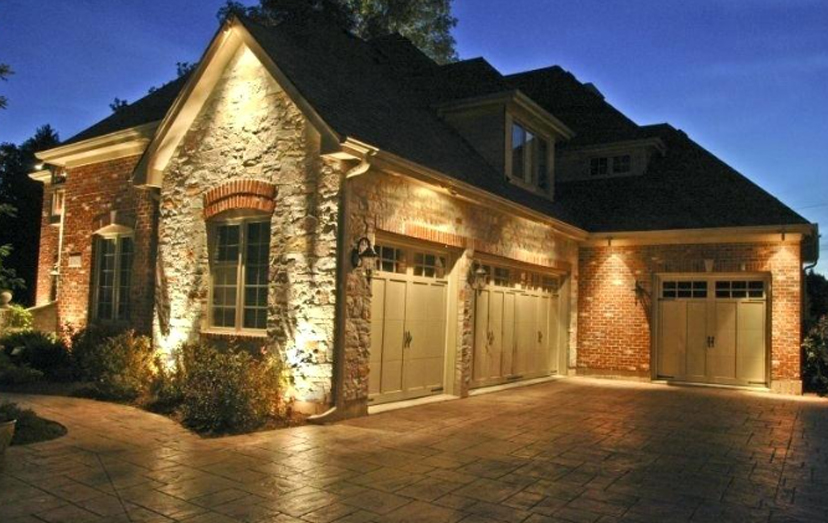
Design Tips for Homeowners
To effectively incorporate recessed lighting into your home decor, consider the following design tips focusing on ambiance, spacing, and layering with other lighting types.
Ambiance: The key to creating a warm and inviting atmosphere with recessed lighting is to utilize dimmable fixtures. This allows you to adjust the intensity of the light according to the time of day or the mood you wish to create. In living areas and bedrooms, opt for warmer color temperatures (around 2700K) to foster a cozy ambiance, while cooler temperatures (around 3000K) can enhance task-oriented spaces like kitchens or home offices.
Spacing: Proper spacing is crucial for achieving effective illumination without overwhelming your space. As a general rule, fixtures should be placed approximately 4 to 6 feet apart. In areas with higher ceilings, spacing them closer to 6 feet apart ensures adequate light coverage. Consider the purpose of the space: for ambient lighting, aim for a more uniform distribution, while for accent lighting, position fixtures to highlight architectural features or artwork.
Layering: To create depth and interest, layer recessed lighting with other types of lighting such as pendant lights, wall sconces, or floor lamps. Combine these elements to enhance functionality and visual appeal. For instance, in a kitchen, pair recessed lights with under-cabinet lighting to illuminate work surfaces effectively, while decorative fixtures can add character to dining areas.
By thoughtfully integrating recessed lighting with these considerations, you can transform your home's ambiance and functionality.
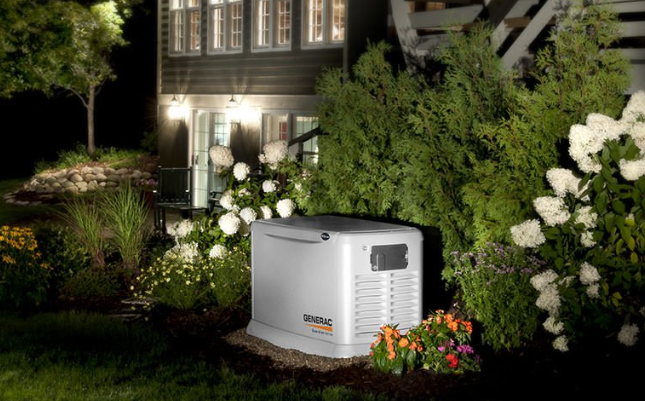
Design Tips for Homeowners
To effectively incorporate recessed lighting into your home decor, consider the following design tips focusing on ambiance, spacing, and layering with other lighting types.
Ambiance: The key to creating a warm and inviting atmosphere with recessed lighting is to utilize dimmable fixtures. This allows you to adjust the intensity of the light according to the time of day or the mood you wish to create. In living areas and bedrooms, opt for warmer color temperatures (around 2700K) to foster a cozy ambiance, while cooler temperatures (around 3000K) can enhance task-oriented spaces like kitchens or home offices.
Spacing: Proper spacing is crucial for achieving effective illumination without overwhelming your space. As a general rule, fixtures should be placed approximately 4 to 6 feet apart. In areas with higher ceilings, spacing them closer to 6 feet apart ensures adequate light coverage. Consider the purpose of the space: for ambient lighting, aim for a more uniform distribution, while for accent lighting, position fixtures to highlight architectural features or artwork.
Layering: To create depth and interest, layer recessed lighting with other types of lighting such as pendant lights, wall sconces, or floor lamps. Combine these elements to enhance functionality and visual appeal. For instance, in a kitchen, pair recessed lights with under-cabinet lighting to illuminate work surfaces effectively, while decorative fixtures can add character to dining areas.
By thoughtfully integrating recessed lighting with these considerations, you can transform your home's ambiance and functionality.
Common Mistakes to Avoid
When choosing or installing recessed lighting, several common mistakes can lead to suboptimal results. One frequent error is underestimating the number of fixtures needed. Insufficient lighting can create dark spots; therefore, it’s crucial to calculate the appropriate spacing—generally, fixtures should be placed about 4 to 6 feet apart for optimal coverage.
Another common pitfall is selecting the wrong trim style or finish, which can clash with your interior design. Always consider the room's overall aesthetic and choose trims that complement the space. Additionally, failing to account for the beam angle of the bulbs can result in either too concentrated or too dispersed light, impacting functionality.
Improper placement is also a concern. Fixtures should be strategically positioned to avoid casting shadows on work surfaces and to ensure even illumination. Lastly, neglecting to consider the type of bulb can affect energy efficiency and light quality. Opt for LED bulbs to benefit from lower energy costs and longer lifespans. By being mindful of these common mistakes, you can achieve a well-lit, inviting space with recessed lighting.